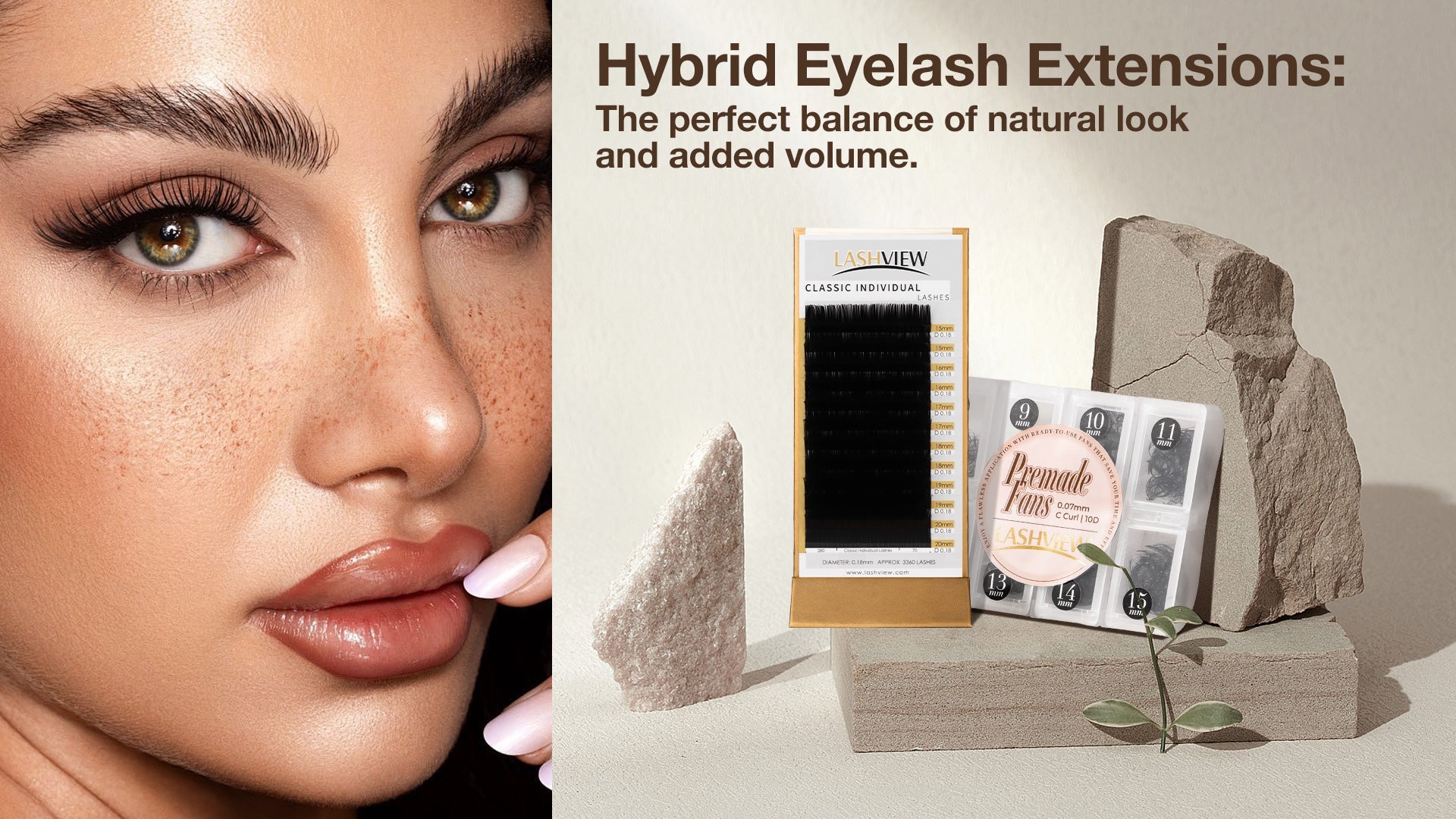

For professional lash technicians, client safety is as important as achieving a perfect lash look. One of the most common challenges in eyelash extension services is preventing allergic reactions to lash glue. Reactions can range from mild irritation to significant discomfort, impacting client satisfaction and even your professional reputation. This guide provides practical strategies to prevent lash glue allergies, focusing on steps that can be applied directly in the salon.
Understanding Lash Glue Allergies
Most eyelash extension glues contain cyanoacrylate, a fast-drying adhesive that bonds extensions securely. While effective, this chemical can trigger allergic reactions in sensitive clients. Common symptoms include:
- Redness or swelling around the eyes
- Itching or stinging sensation
- Watery eyes
- Rash or hives near the lash line
It is important to distinguish between mild irritation caused by fumes or improper application and a true allergic reaction. Mild irritation often resolves quickly, but true allergies involve the immune system and may worsen with repeated exposure. Recognizing the difference is essential for maintaining client safety.
Step 1: Conduct a Quick Patch Test
A patch test is a simple, fast method to identify immediate sensitivities.
- Apply a small amount of glue on a discreet area of skin, such as behind the ear or on the inner wrist.
- Observe the client for 5–10 minutes for immediate signs of redness, swelling, or itching.
- Ask about prior reactions to adhesives, cosmetics, or sensitive skin.
This quick test, combined with a detailed client history, helps reduce the risk of allergic reactions during the appointment.
Tip: For first-time clients or those with a history of sensitive skin, consider using smaller lash clusters during initial applications. This limits glue exposure while still providing a preview of the final look.
Step 2: Choose the Right Low-Sensitivity Glue
Selecting the right adhesive is crucial for preventing client reactions. When looking for professional products, consider the following:
- Low-fume or low-odor formulas reduce irritation for both client and technician.
- Hypoallergenic lash extension glue minimizes the risk of immune reactions.
- Fast-drying adhesives reduce the time glue is exposed to the skin, further limiting irritation.
LASHVIEW offers a range of hypoallergenic lash glues, providing different types and drying speeds that technicians can choose from based on a client’s lash type and sensitivity. Selecting the appropriate glue from these options helps minimize the risk of allergic reactions and ensures a more comfortable experience for sensitive clients.
Step 3: Review Client History Thoroughly
Before any lash service, collect detailed client information to identify potential risk factors. Key points to cover:
- Previous reactions to eyelash glue, other adhesives, or cosmetic products.
- Skin conditions such as eczema, rosacea, or dermatitis.
- Recent skin treatments (chemical peels, microdermabrasion, laser procedures).
- Current medications that may affect skin sensitivity.
Avoid scheduling clients for lash appointments during periods when their skin may be more prone to irritation. For example, clients experiencing seasonal allergies or those who recently had chemical treatments may be more susceptible to reactions.
Step 4: Apply Glue Correctly
Even hypoallergenic adhesives can cause irritation if applied incorrectly. Proper technique is essential:
- Use minimal glue to prevent contact with skin. Excess adhesive increases risk.
- Maintain proper lash placement, keeping extensions slightly above the natural lash line.
- Work in a well-ventilated area to reduce fume exposure.
- Isolate each natural lash to prevent glue from touching surrounding lashes or skin.
- Use micro brushes or applicator tools for precise glue application.
Correct application not only prevents allergic reactions but also improves retention and client comfort. For clients with a history of mild sensitivity, consider using smaller adhesive drops or shorter extension lengths to minimize skin exposure.
Step 5: Educate Clients on Aftercare
Proper aftercare is essential for reducing irritation or delayed reactions. Advise clients to:
- Avoid rubbing or touching their eyes.
- Keep lashes dry for the first 24 hours after application.
- Use gentle, oil-free cleansers and makeup removers.
- Schedule regular fills to maintain lash health and prevent over-application.
Clients who follow aftercare instructions are less likely to experience issues related to eyelash glue sensitivity, and clear communication reinforces their confidence in your professionalism.
Step 6: Have a Response Plan
Even with all precautions, reactions can occasionally occur. Technicians should be prepared to respond quickly:
- Keep a cold compress or soothing gel available
- Use professional remover creams to carefully remove lashes if a reaction occurs
- Document any reactions and note the type of glue used for future reference
Having a clear response plan ensures client safety and demonstrates professionalism.
Additional Tips for Minimizing Risk
- Avoid working on clients with active eye infections or inflamed skin.
- Test new adhesives on yourself first to gauge fumes and drying speed.
- Maintain clean tools and workspaces to prevent contamination-related irritation.
- Communicate clearly with clients about potential risks, signs of sensitivity, and what to do if discomfort occurs.
- Monitor environmental factors such as humidity, which can affect drying time and glue fumes, potentially increasing irritation.
Key Takeaways
Immediate patch testing in the salon can identify sensitivities without requiring long observation periods.
- Low-fume, hypoallergenic adhesives are essential for clients with sensitive skin.
- Professional application techniques reduce skin contact and minimize irritation.
- Client education and aftercare play a significant role in preventing reactions.
- Preparedness for reactions ensures quick, safe responses and protects client trust.
By integrating these practices into daily workflows, lash technicians can reduce the risk of allergic reactions while maintaining high-quality lash services.