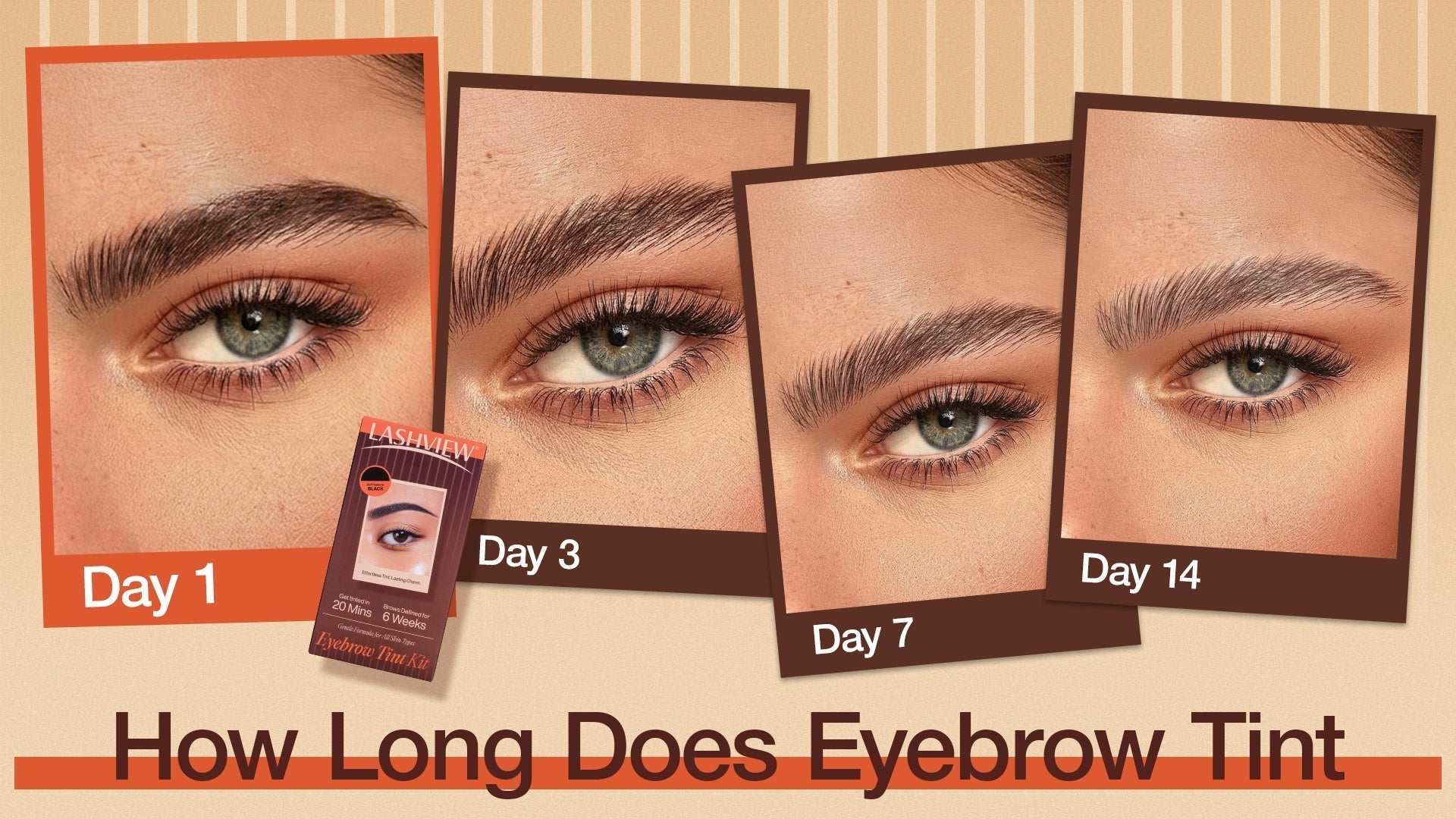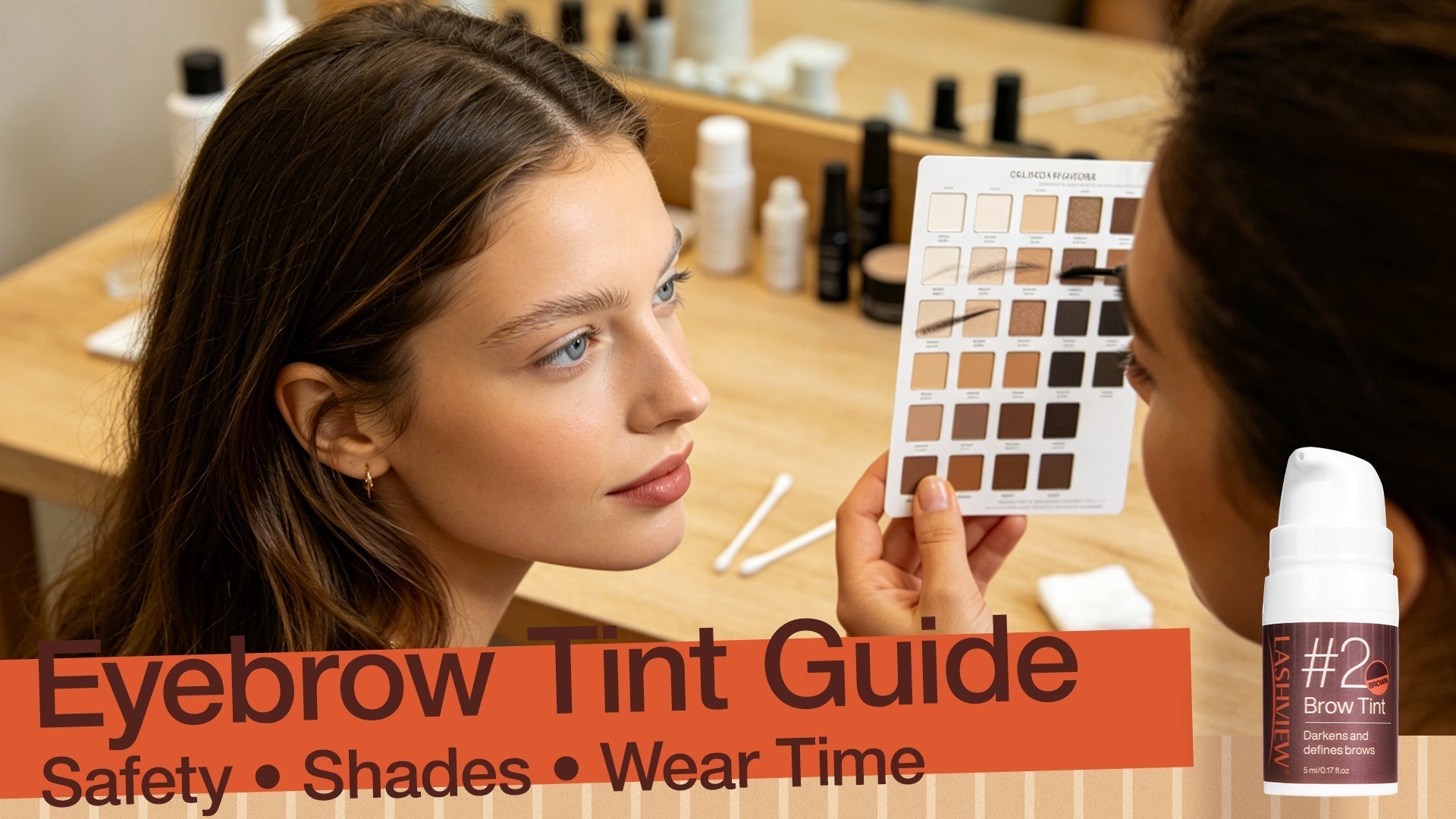

A fresh brow tint can make the whole face look more awake. The brows frame the eyes better, light hairs suddenly show up, and the morning routine gets a little shorter. But the part that makes a tint look polished is not only the color choice. It is everything that happens before and after the appointment.
Patch testing and aftercare are not the glamorous parts of brow tinting. They are the parts that keep the service responsible. A good tint should not leave the skin angry, the brows too dark, or the client wondering why the color disappeared after three face washes.
This guide is written for salon teams, brow professionals, and careful first-time clients who want to understand the safety and care side of eyebrow tinting. It does not replace product instructions, state regulations, or professional training. It does, however, give you a clearer way to explain why patch tests matter, what clients should avoid after tinting, and how to help the color fade more evenly.
For the full category overview, start with our eyebrow tint guide. This article goes deeper into the part most people skip until something goes wrong.
Want to build a cleaner brow and eye beauty routine?
Shop Lashview brow and eye beauty essentials on Amazon
Why Patch Testing Matters More Than the Tint Trend
Brow tinting sits in a tricky beauty category. It is a cosmetic service, but it happens close to the eyes and often involves ingredients that can irritate sensitive skin. A brow tint that looks harmless on social media may still cause a reaction on the wrong client.
The FDA warns that permanent eyelash and eyebrow tints and dyes have been associated with serious eye injuries, and it also states that consumers should never dye eyebrows or eyelashes at home. It recognizes a restricted silver nitrate color additive use for professional-use cosmetics under specific conditions, but that does not turn every brow dye into a casual DIY product.
That is why a responsible brow tint article should not read like a hack. Patch testing belongs near the beginning of the conversation, not buried in fine print.
A patch test is not there to make the service feel complicated. It is there because skin can react unpredictably, especially with color products. DermNet notes that paraphenylenediamine, commonly known as PPD, can cause allergic contact dermatitis in sensitive people, and hair color products containing PPD or related ingredients often carry warnings recommending a self-patch test.
What a Brow Tint Patch Test Actually Checks
A patch test is a small controlled exposure before a full tint service. The goal is not to preview the final brow color. The goal is to see whether the skin reacts badly before the product goes anywhere near the eye area.
In a salon context, the exact method should follow the product manufacturer’s instructions and local rules. Many professional beauty services ask for a patch test in advance, often around 24 to 48 hours before the appointment, but the safest wording for published content is to follow the product label, salon protocol, and applicable regulations.
The reaction signs worth watching are straightforward: itching, burning, redness, swelling, bumps, blistering, rash, or unusual tenderness. NHS guidance on hair dye reactions describes itching, burning, redness, swelling, and blistering as possible signs of a reaction; severe reactions are rare but need urgent attention.
For clients, the most useful message is simple: a patch test that feels boring is a good thing. The point is for nothing dramatic to happen.
Where Patch Testing Fits in the Client Journey
A patch test should happen before the client is excited, seated, and ready for color. That sounds obvious, but in real salon life, the pressure often shows up at the desk: a client booked last minute, saw a brow tint online, and wants fuller brows today.
A better client journey starts earlier. When someone books a tint, the confirmation message should explain that color services around the eye area require extra care. The patch test should be positioned as part of the service, not as a suspicious add-on or legal formality.
For new clients, recent allergy history matters. So does a recent skincare change, a new retinoid, a peel, a sunburn, a brow wax, or irritation around the eyelids. A client who had a tint months ago may still need a new patch test after a formula change, a long gap between services, or a previous reaction to hair color.
This is a good place to link back to the main eyebrow tint guide, because it helps readers understand the difference between tint, dye, gel, and other brow options before booking.
A Salon-Friendly Patch Test Conversation
Patch testing does not need to sound scary. The tone matters. A brow professional can explain it like an editor would: calm, clear, and practical.
Instead of saying, “You have to do this because something bad could happen,” a better version is: “Because tint sits close to the eyes, we like to check skin comfort before the full service. It helps us protect your skin and choose the right plan for your brows.”
The best client communication covers three things. First, the patch test is not the same as the full tint result. Second, no visible reaction does not guarantee zero risk, but it is still an important safety step. Third, any reaction means the appointment should be paused or changed rather than pushed through.
That last point is important. A client with redness, itching, swelling, broken skin, or an active eye-area irritation should not be talked into a tint just because they have an event tomorrow.
What to Avoid Before a Brow Tint
Pre-care is where tint results often start to go wrong. Freshly exfoliated skin, irritated skin, and heavy skincare residue can all make the service more unpredictable.
The brow area should be calm before tinting. In editorial terms, the best brow tint canvas is not “perfect” skin; it is quiet skin. No fresh burn, no stingy peel, no angry post-wax redness, no active rash sitting under the arch.
A few days before the appointment, clients should be careful with strong exfoliants and aggressive treatments around the brows. The day of the service, the brow area should be clean and free of heavy oils or thick creams. Product instructions and salon policy should always take priority, especially where timing is concerned.
This is also where clients with sensitive skin deserve a more conservative plan. They may still want fuller brows, but a tinted brow gel, pencil, or a softer shade can sometimes be a better first step than a stronger tint formula. That comparison belongs naturally in eyebrow tint vs brow gel vs microblading.
Aftercare: The First 24 Hours Set the Tone
The first day after a brow tint is when the result is easiest to disturb. Fresh tint needs a calm window. That does not mean a client must hide indoors or act like the brows are fragile glass. It means the brow area should not be scrubbed, soaked, steamed, or coated in strong skincare right away.
Water, sweat, steam, oil, and exfoliating products can all affect how the tint settles and fades. Many brow professionals recommend keeping the area dry at first and avoiding heavy workouts, saunas, swimming, facial oils, and exfoliants around the brows during the early aftercare window. Exact timing should follow the salon’s product instructions.
Byrdie’s eyebrow tinting overview notes that aftercare commonly includes keeping brows dry initially and avoiding excessive rubbing, oil-based products, and direct sunlight to help the result last longer.
The edit here is not complicated: treat fresh brows like fresh color. Give them a quiet start.
Why Brow Tint Fades Faster on Some People
Two clients can receive the same tint and leave with similar brows, then come back with completely different fade stories. One still has a soft definition after two weeks. The other feels like the tint disappeared after a long weekend.
That does not always mean the service failed. Brow tint longevity depends on the formula, skin type, brow hair texture, skincare routine, cleansing habits, sun exposure, and how much of the original result came from skin stain versus brow hair color.
Oily skin tends to break down skin stain faster. Acid exfoliants and retinoids can speed up fading around the brow area. Frequent washing, swimming, sweating, and oil cleansers also shorten the fresh-tint look. Very light brow hair can be another challenge, because the change is more noticeable when it fades.
For a deeper timeline, the natural next read is how long eyebrow tint lasts. That article should explain the difference between skin stain fading and brow hair color softening.
How to Make Brow Tint Last Longer Without Overdoing It
Good aftercare is more about restraint than effort. The client does not need a complicated brow ritual. The color usually lasts better when the brow area is treated gently.
The simplest routine is to cleanse around the brows instead of scrubbing through them, keep exfoliating acids away from the brow hair when possible, use facial oils with care, and brush the brows softly rather than rubbing them with a towel. Sunscreen still matters for the face, but heavy product buildup in the brow hair can dull the tint faster, so gentle cleansing remains important.
Clients who love strong skincare do not need to give up their routine entirely. They just need to stop treating the brow area like the rest of the cheek. The skin under the brow is small, sensitive, and now carrying color. A lighter hand usually wins.
When Irritation Is Not “Normal”
A little awareness after tinting is normal. Persistent discomfort is not.
Mild temporary warmth or awareness can happen with some beauty services, but burning, swelling, blistering, strong itching, eye pain, or worsening redness should be taken seriously. NHS guidance on hair dye reactions notes that symptoms can include itching, burning, redness, swelling, and blistering; severe reactions are uncommon but require urgent help.
A salon should not tell clients to simply wait out a strong reaction. The safer advice is to stop using any irritating product, avoid additional brow or eye-area treatments, and seek medical guidance when symptoms are severe, eye-related, or not improving.
For U.S.-focused content, this section should stay conservative. FDA eye cosmetic safety guidance advises stopping the use of eye cosmetics that cause irritation and seeing a doctor if irritation persists.
Why “Beard Dye Brows” Needs a Hard Pause
This is the brow tint question that shows up everywhere: Can beard dye be used on eyebrows?
The search demand is real, but the editorial angle should be careful. The issue is not whether people are doing it. They are. The issue is that a viral shortcut can hide a serious area-of-use problem.
Beard dye is made for facial hair, but eyebrows sit right above the eyes. That difference matters. Eye-area exposure carries different risks, and the FDA specifically warns against at-home eyebrow and eyelash dyeing.
So this article should not give a workaround, ratio, timing trick, or “beauty hack” version of beard dye brows. It should send readers to a risk-focused explanation: Can you use beard dye on eyebrows?
A good beauty brand can still capture that search traffic without encouraging the behavior. The tone should be: we understand why people ask, but here is why the eye area deserves better judgment.
Client Handout: Brow Tint Aftercare Copy
This section can be adapted for salon emails, booking confirmations, or post-service cards.
Your brows may look a little deeper immediately after tinting, especially when there is skin stain under the brow hairs. The color usually softens as the skin stain fades and the brow hair settles into a more natural finish. For the first day, keep the area calm. Avoid scrubbing, steam, swimming, heavy sweating, facial oils, and exfoliating skincare around the brows unless your brow professional gives different instructions.
Over the next few days, cleanse gently and avoid rubbing the brow area with a towel. Strong acids, retinoids, oil cleansers, and frequent exfoliation can make the tint fade faster. A spoolie is enough for daily grooming. When the color softens, that is usually part of the normal fade cycle rather than an emergency.
Contact your brow professional or a medical provider if you notice strong itching, swelling, blistering, eye pain, or irritation that does not improve.
Brow Tint Patch Test and Aftercare FAQ
Is a brow tint patch test really necessary?
Yes, it is a responsible step, especially for new clients, sensitive clients, formula changes, or anyone with a history of reactions. A patch test helps screen for obvious irritation before the product is placed near the eye area, though it cannot guarantee that a reaction is impossible.
How long before a brow tint should a patch test be done?
Timing should follow the product instructions, salon policy, and local rules. Many beauty services use an advanced patch test window, often around 24 to 48 hours, but published brand content should avoid inventing a universal rule.
What does a bad patch test reaction look like?
Itching, burning, redness, swelling, bumps, blistering, rash, or unusual tenderness are warning signs. A strong reaction means the tint service should not go ahead as planned.
Can brow tint be done right after waxing?
Freshly waxed skin can be more reactive, so many professionals avoid tinting immediately over irritated or freshly treated skin. The safest timing depends on the service protocol and the client’s skin condition.
Why did my eyebrow tint fade so quickly?
Fast fading usually comes from oily skin, frequent cleansing, exfoliating skincare, retinoids, swimming, sweat, oil-based products, sun exposure, or a result that relies heavily on skin stain. For the full fade timeline, read how long eyebrow tint lasts.
How should brows be cared for after tinting?
Keep the brow area calm at first, avoid scrubbing, use skincare carefully around the brows, and brush gently with a clean spoolie. The exact early aftercare window should follow the product or salon instructions.
Can I use beard dye on eyebrows after doing a patch test?
A patch test does not automatically make a product appropriate for the eye area. Beard dye should not be treated as a default eyebrow tint substitute. Read, can you use beard dye on eyebrows before considering any shortcut?
What should I do when brows feel itchy after tinting?
Do not scratch or add more products. Stop using anything that may irritate the area, avoid additional brow treatments, and seek professional or medical guidance when itching is strong, worsening, or paired with swelling, blistering, or eye symptoms.
Final Takeaway
Brow tint looks simple from the outside: choose a shade, apply color, enjoy fuller brows. In practice, the best results come from the quieter details. Patch testing helps protect the client before the service. Aftercare helps the color fade softly instead of disappearing too quickly. A calm brow area usually gives a better result than irritated, freshly exfoliated, overworked skin.
For salons, patch tests and aftercare are not just safety language. They are part of the client experience. For shoppers and first-time clients, they are the difference between a brow tint that feels polished and one that feels like a gamble.
Start with the right shade, respect the eye area, and treat fresh tint like fresh color.
Ready to support your brow and eye routine?
Shop Lashview brow and eye beauty essentials on Amazon.