
The moment eyelash extensions start growing out, twisting, or hanging on by one corner, the temptation is real. You look in the mirror, see a few stubborn pieces, and start wondering whether oil, steam, or a little gentle picking could finish the job.
That is usually where the trouble starts.
Eyelash extensions are not the same as strip lashes or lash clusters. A strip lash sits on the lash line for the day. A cluster system may use a temporary bond designed for at-home removal. Salon extensions are attached to individual natural lashes with professional adhesive. That adhesive is made to last through daily wear, cleansing, sleep, and natural lash shedding, so removing it safely takes more control than a bathroom mirror usually gives.
The short answer is this: professional eyelash extensions are usually best removed by a trained lash artist, not pulled or dissolved at home. The American Academy of Ophthalmology warns that eyelash extensions can carry risks, including infection, allergic reactions to glue, and trauma to the eyelid or cornea, and it specifically cautions that rubbing, tugging, or pulling can fracture natural lashes.
For the full remover foundation, start with our lash remover guide. For sensitive-eye readers, pair this with lash remover for sensitive eyes.
Need lash care and eye beauty essentials for your routine?
Shop Lashview on Amazon
Why At-Home Extension Removal Is Riskier Than It Looks
The problem with at-home extension removal is not that every person is reckless. It is that the setup works against you.
You are usually working on yourself, with one eye partly closed, limited visibility, and a strong urge to “just get that one piece off.” That makes it easy to grab the extension and natural lash together. Once pulling starts, the natural lash takes the stress.
Cleveland Clinic notes that false lash weight and pressure can contribute to traction alopecia, which is hair loss caused by pulling or pressure, and that chemicals in lash procedures or glue can trigger allergic reactions in some people. That is why extension removal is not just about getting the adhesive to soften. It is about preventing mechanical stress on the natural lash.
A professional lash artist can see the lash base, isolate sections, apply remover where the adhesive actually is, and clean residue before the client opens her eyes. At home, those steps become much harder.
Extensions Are Not Strip Lashes or Clusters
A lot of bad removal advice comes from mixing up lash categories.
Strip lashes are usually worn for one day and removed from the lash line. Lash clusters are small sections that may be applied with a temporary or semi-temporary bond, depending on the system. Professional extensions are attached to natural lashes using longer-wear adhesive and should shed gradually with the natural lash cycle or be removed professionally.
That difference matters because the remover and removal method are not interchangeable. An oil cleanser that loosens strip lash glue may not safely break down professional extension adhesive. A cluster remover may not be appropriate for salon extensions. A professional cream remover may not be something a beginner should use near the eyes alone.
For at-home cluster users, the correct article is how to remove lash clusters without damaging natural lashes. This article is about salon eyelash extensions.
The Common At-Home “Tricks” and Why They Can Go Wrong
Most DIY extension removal advice falls into the same few categories: oil, steam, hot showers, micellar water, cleansing balm, or simply waiting and picking.
Oil may soften some adhesives, but professional lash adhesive is designed to hold much more strongly than daily lash glue. Steam may make the lashes feel looser, but it does not give you clean control over each adhesive bond. Picking is the most tempting and the most damaging because it turns removal into mechanical pulling.
The FDA reminds consumers that false eyelashes, eyelash extensions, and their adhesives are cosmetic products, and that reactions or irritation around the eyelids can be especially troublesome because eyelid skin is delicate. Its eye cosmetic safety guidance also says to stop using any eye cosmetic that irritates and see a doctor if irritation persists.
The beauty editor's version is simple: oil and steam may make extensions feel less stuck, but they do not make at-home removal automatically safe.
Why Pulling Extensions Can Damage Natural Lashes
Extensions are attached to natural lashes. When you pull an extension that is still bonded, the natural lash may come with it. Sometimes it breaks. Sometimes it sheds before it is ready. Sometimes the lash line simply feels sore afterward.
Seeing one or two natural lashes shed is not always alarming because lashes naturally cycle. The concern is clumps, soreness, bald-looking gaps, or repeated pulling around the same area.
The AAO’s extension safety guidance states that rubbing, tugging, or pulling can fracture natural lashes and may even cause permanent damage to the eyelash follicle. Cleveland Clinic similarly points to pulling pressure and lash glue reactions as possible contributors to lash loss.
A good lash removal should not depend on force. When force is required, the adhesive has not released properly.
Why Professional Remover Should Stay Professional
Professional lash removers are designed to soften extension adhesive, but that does not mean they are casual at-home products. Around the eyes, strength and control are inseparable.
Cream and gel removers are commonly discussed in professional settings because they give more placement control than watery formulas. Even then, they require the client’s eyes to stay closed, careful product placement, correct timing, and thorough cleanup before the client opens her eyes.
A published case report described chemical conjunctivitis and diffuse lamellar keratitis after misapplication of eyelash extension removal solvent, showing that remover exposure around the eyes can cause real injury when product control fails.
That is the key issue. A professional remover is not dangerous simply because it exists. It becomes risky when used without the visibility, training, and cleanup needed for eye-area work.
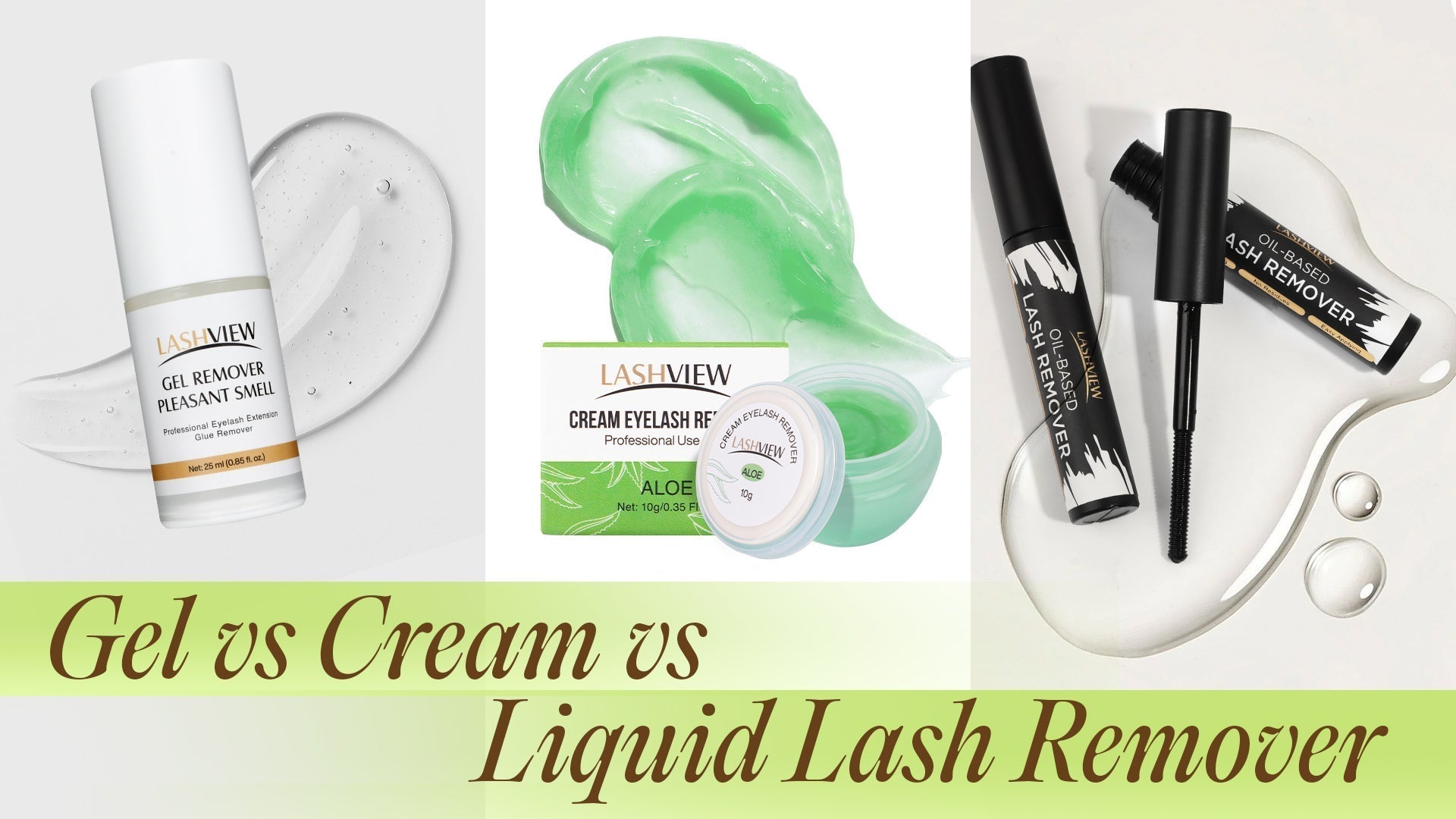
For a salon workflow perspective, read the professional lash remover SOP. For texture comparison, read gel vs cream vs liquid lash remover.
What a Professional Removal Usually Does Differently
A good professional removal feels calm because the lash artist is not fighting the lashes. The artist checks the set, protects the lower lashes and skin, keeps the eyes fully closed, applies remover only where adhesive needs softening, waits for the adhesive to release, slides extensions away gently, and cleans the lash line thoroughly.
The cleanup step is more important than many clients realize. Leftover remover or adhesive residue can leave the eye area uncomfortable and may interfere with a fresh set. The lash line should feel clean before the client opens her eyes.
This is also where the artist can make a judgment call. A client with redness, swelling, pain, or irritation may not be ready for a fresh set right away. The goal is not just extension removal. The goal is a comfortable, healthy-looking lash line afterward.
When You Should Book a Lash Artist
A professional removal is the smarter choice when extensions are twisted, grown out, painful, pulling, clumped, or unevenly stuck. It is also the right choice when the eyes are sensitive, watery, red, or irritated.
Book a lash artist when the extensions are attached to natural lashes and do not slide off easily. Book one when you cannot tell whether you are wearing clusters or extensions. Book one when you are tempted to pick, because that temptation usually means the lash line is already bothering you.
This is especially important before a fresh set. A clean base helps the next service wear better. Extensions placed over residue, irritation, or damaged natural lashes rarely look or feel their best.
What to Do While Waiting for a Removal Appointment
The safest thing to do while waiting is less dramatic than most people want to hear: leave the extensions alone.
Keep the lash line clean according to your lash artist’s aftercare advice. Avoid pulling, twisting, rubbing, or sleeping face-down into the lashes. Skip heavy mascara on top of grown-out extensions because it can make them harder to clean and more tempting to pick. Avoid oily experiments that blur the eyes, leave residue, or encourage more rubbing.
The FDA advises avoiding eye cosmetics when the eye or surrounding skin is inflamed and discarding eye cosmetics used during an eye infection. That same cautious logic applies here: when the eye area is not calm, do not keep layering beauty products on top of the problem.
When Extensions Fall Out Naturally
Extensions are attached to natural lashes, and natural lashes shed as part of their growth cycle. That means some extensions will fall out on their own over time. This is normal.
The problem is when someone tries to speed up the shedding by pulling. Natural lash shedding is gentle. Picking is not. A lash that was ready to shed may come away easily, but a lash that is still anchored can be damaged when pulled.
The AAO notes that false lash extensions often last around three to four weeks as natural lashes shed. That natural timeline is one reason a grown-out set can look uneven before it is fully gone.
Waiting can be part of the answer, but waiting does not mean picking at the set every night. It means letting loosened lashes shed while protecting the rest of the lash line.
What About Removing Extensions With Oil?
Oil is one of the most common home-removal suggestions. It may loosen some makeup, daily lash glue, or certain temporary bonds. Professional extension adhesive is different.
Using oil repeatedly around extensions can make the set look messy without fully releasing every bond. The result is often half-loosened lashes that twist, collect residue, and become even more tempting to pick. Oil can also leave a film around the eyes, blur vision temporarily, or interfere with future lash application when not cleaned properly.
For strip lashes and some cluster systems, oil-based removers may have a place. For salon extensions, oil is not a reliable professional removal substitute.
What About Steam?
Steam has the same problem as oil: it sounds gentle, but it is not precise.
A warm shower or facial steam may soften the overall lash environment, but it does not isolate each adhesive bond. It also does not give you a safe way to remove extensions still firmly attached to natural lashes.
Steam can make a grown-out set feel looser, but the actual danger comes afterward, when the wearer starts rubbing or sliding fingers through the lashes. The steam is not the main problem. The pulling that follows is.
What About Cutting Extensions Shorter?
Cutting extensions is not a good fix. It can create blunt, awkward ends and increase the chance of accidentally cutting natural lashes. It also does nothing to remove the adhesive bond.
Extensions that feel too long, twisted, or uncomfortable should be assessed and removed properly. Cutting is a cosmetic panic move, not a lash-care solution.
Red Flags: Stop and Get Help
Certain symptoms should move the situation out of beauty troubleshooting and into professional care.
Strong eye pain, blurred vision, swelling, worsening redness, heavy watering, rash, burning that does not settle, or a gritty “something is in my eye” feeling should not be ignored. The FDA says eye cosmetics that irritate should be stopped immediately, and persistent irritation should be evaluated by a doctor.
A remover-related case report also shows why chemical exposure around the eyes needs caution rather than casual experimentation.
When the eye is involved, do not wait several days hoping makeup remover will solve it. Get help.
How to Protect Natural Lashes After Removal
After a professional removal, the lash line may look lighter than expected simply because the extensions are gone. That does not always mean the natural lashes are ruined. It often means the eye is used to seeing extensions.
The best post-removal routine is gentle. Clean the lash line without scrubbing, avoid rubbing, and give the eyes a short break before another service when they feel tender. A lash serum or conditioning routine may be something to discuss with a professional, but the first step is usually rest and clean care.
Avoid immediately replacing extensions with heavy false lashes when the eye area feels irritated. A lightweight strip lash or soft cluster look can be an option later, but the lash line should feel calm first.
For a lower-commitment lash routine after extensions, readers can compare options in lash clusters vs strip lashes vs extensions.
What to Ask Before Your Next Extension Set
A bad removal experience is often a sign to ask better questions before the next set. The next appointment should not only be about curl and length. It should also be about adhesive comfort, aftercare, fill timing, and removal policy.
A good lash artist should be able to explain how to clean the extensions, what irritation signs to watch for, when to book fills, and how removals are handled. They should also take discomfort seriously. Pain is not a normal beauty outcome.
The best extension routine is not the longest or fullest set possible. It is the set that your natural lashes can support comfortably.
FAQ: Can You Remove Eyelash Extensions at Home?
Can you remove eyelash extensions at home?
Professional eyelash extensions are usually best removed by a trained lash artist. At-home pulling, oil experiments, steam, or remover misuse can stress natural lashes and irritate the eyes.
Why should you not pull off eyelash extensions?
Extensions are attached to natural lashes. Pulling can fracture natural lashes, pull them out early, or stress the follicle. The AAO specifically warns that rubbing, tugging, or pulling can fracture natural lashes.
Can oil remove eyelash extensions?
Oil may loosen some adhesives, but it is not a reliable or controlled way to remove professional eyelash extensions. It can leave residue, make extensions twist, and encourage rubbing or picking.
Can steam remove eyelash extensions?
Steam may soften the lash environment, but it does not safely isolate and remove each adhesive bond. The danger often comes when the wearer starts rubbing or pulling afterward.
Is professional lash remover safe?
Professional lash remover can be used safely by trained artists when applied and cleaned correctly, but misuse near the eyes can cause injury. A case report documented ocular injury after the misapplication of eyelash extension removal solvent.
What should I do when extensions are pulling or hurting?
Book a professional removal and avoid pulling at them. Pain, redness, swelling, or vision changes should be treated cautiously and may require medical attention.
Can I just wait for extensions to fall out?
Some extensions will shed naturally with the lash cycle. Waiting can be reasonable when there is no pain or irritation, but picking at the scab while waiting can damage natural lashes.
What is the safest alternative after removing extensions?
A lower-commitment routine may include lightweight strip lashes, soft clusters, or magnetic lashes once the eye area feels calm. Avoid applying new lashes over irritation.
Final Takeaway
Removing eyelash extensions at home sounds easy until you remember what is being removed: professional adhesive attached to natural lashes, directly above the eyes.
Oil, steam, and picking may loosen the look of the set, but they do not give the same control as a professional removal. Pulling can break natural lashes. Remover misuse can irritate or injure the eye area. A trained lash artist can see the lash base, soften adhesive more precisely, and clean the lash line before the eyes open.
The safest beauty move is not always the fastest one. When extensions feel grown out, twisted, painful, or stubborn, book a proper removal. Your natural lashes will have a better chance of looking good after the extensions are gone.
Ready to support a lower-commitment lash routine?
Shop Lashview lashes and beauty essentials on Amazon.