
Sensitive eyes change the whole lash removal experience. A remover that feels fine on one person can make another person tear up, blink hard, or feel a sharp sting before the lashes even begin to loosen. The issue is not always one “bad” ingredient. Sometimes it is the remover texture. Sometimes it is product placement. Sometimes it is old adhesive, too much rubbing, or trying to remove the wrong type of lash at home.
That is why choosing a lash remover for sensitive eyes is not just about finding the word “gentle” on a label. A better remover routine starts with understanding what is being removed, how close the product sits to the eye, how much control the formula gives, and when a professional should handle the service.
This guide explains why lash remover can burn sensitive eyes, which formats tend to give more control, what ingredients and technique red flags to watch for, and when irritation means it is time to stop.
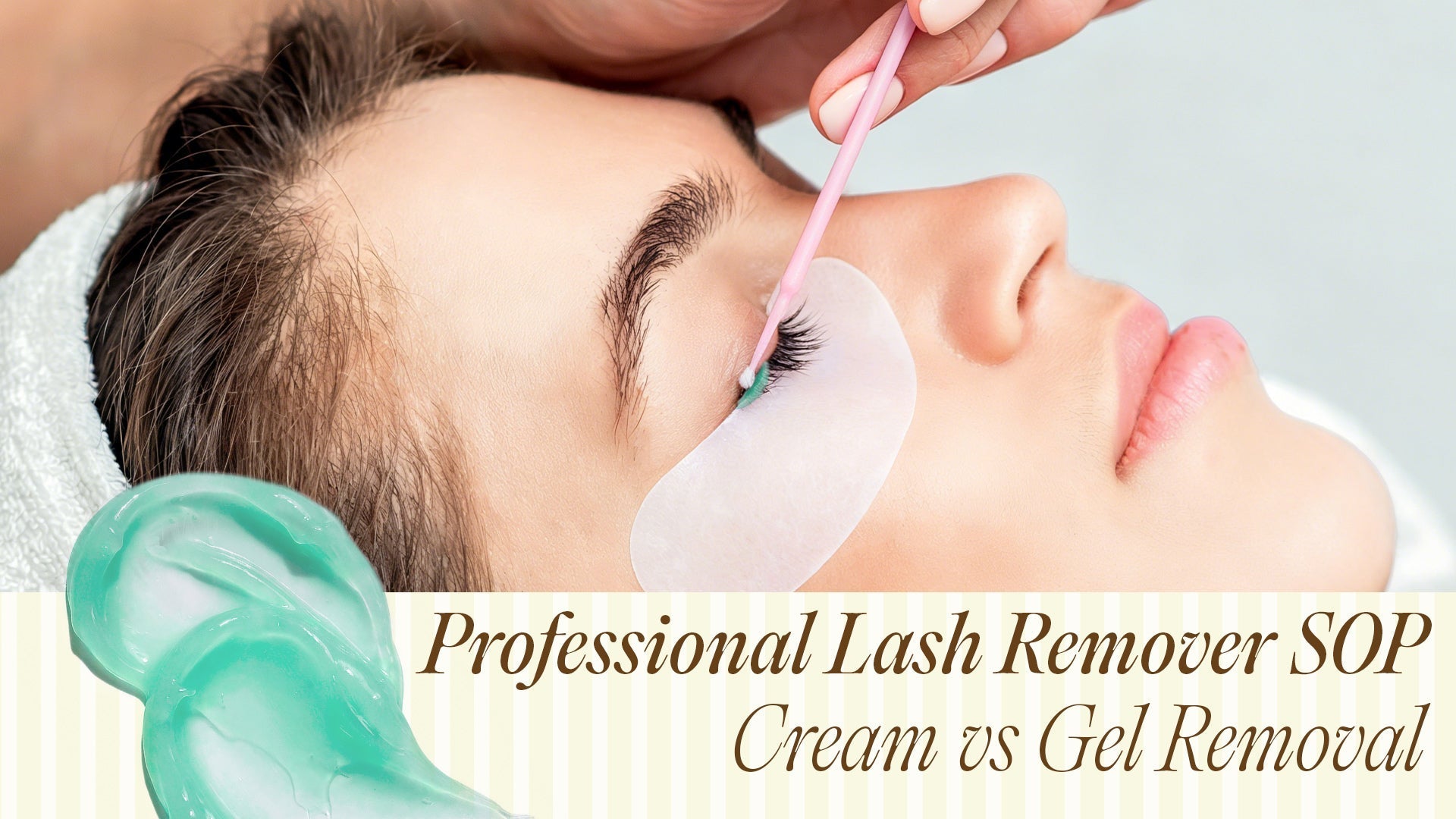
For the full remover foundation, start with our lash remover guide. For a salon workflow, read the professional lash remover SOP after this.
Looking for lash care and eye beauty essentials?
Shop Lashview on Amazon
Why Lash Remover Can Burn Sensitive Eyes
Most people blame the remover first, and sometimes they are right. But sensitive-eye irritation often comes from a combination of product, placement, adhesive residue, and friction.
The eye area is delicate. The FDA reminds consumers that false eyelashes, extensions, and their adhesives are cosmetic products, and that allergic reactions or irritation around the eyelids can be especially troublesome because eyelid skin is delicate. The FDA also advises users to check eye cosmetic ingredients and stop using products that irritate the eyes.
That delicate area becomes even more reactive during removal. A watery remover can travel too easily. Too much product can migrate toward the eye. Old adhesive can make removal harder, which leads to more rubbing. A client who opens the eyes slightly during a professional removal may feel fumes or product movement more quickly.
For sensitive eyes, the goal is control. The best remover experience is not the strongest or fastest one. It is the one that softens adhesive without flooding the lash line.
First, Know What Kind of Lash You Are Removing
Sensitive-eye removal begins with the right category. Strip lash glue, lash cluster bond, magnetic liner, and professional extension adhesive are not the same thing.
Strip lashes usually involve daily adhesive on the skin or lash band. Cluster lashes may use a bond and sealant near the natural lashes. Salon extensions use professional adhesive attached to natural lashes, and that adhesive usually needs a professional removal process.
This distinction matters because a remover that works for strip lash residue may not safely remove salon extensions. Trying to force the wrong remover to do the wrong job often creates more irritation, not less.
A reader trying to remove salon extensions at home should not be pushed into a DIY remover routine. The better internal link is " Can you remove eyelash extensions at home.
Cream vs Gel vs Liquid: Why Texture Matters for Sensitive Eyes
For sensitive eyes, texture can matter as much as ingredients. The more a formula runs, the harder it is to control around the lash line.
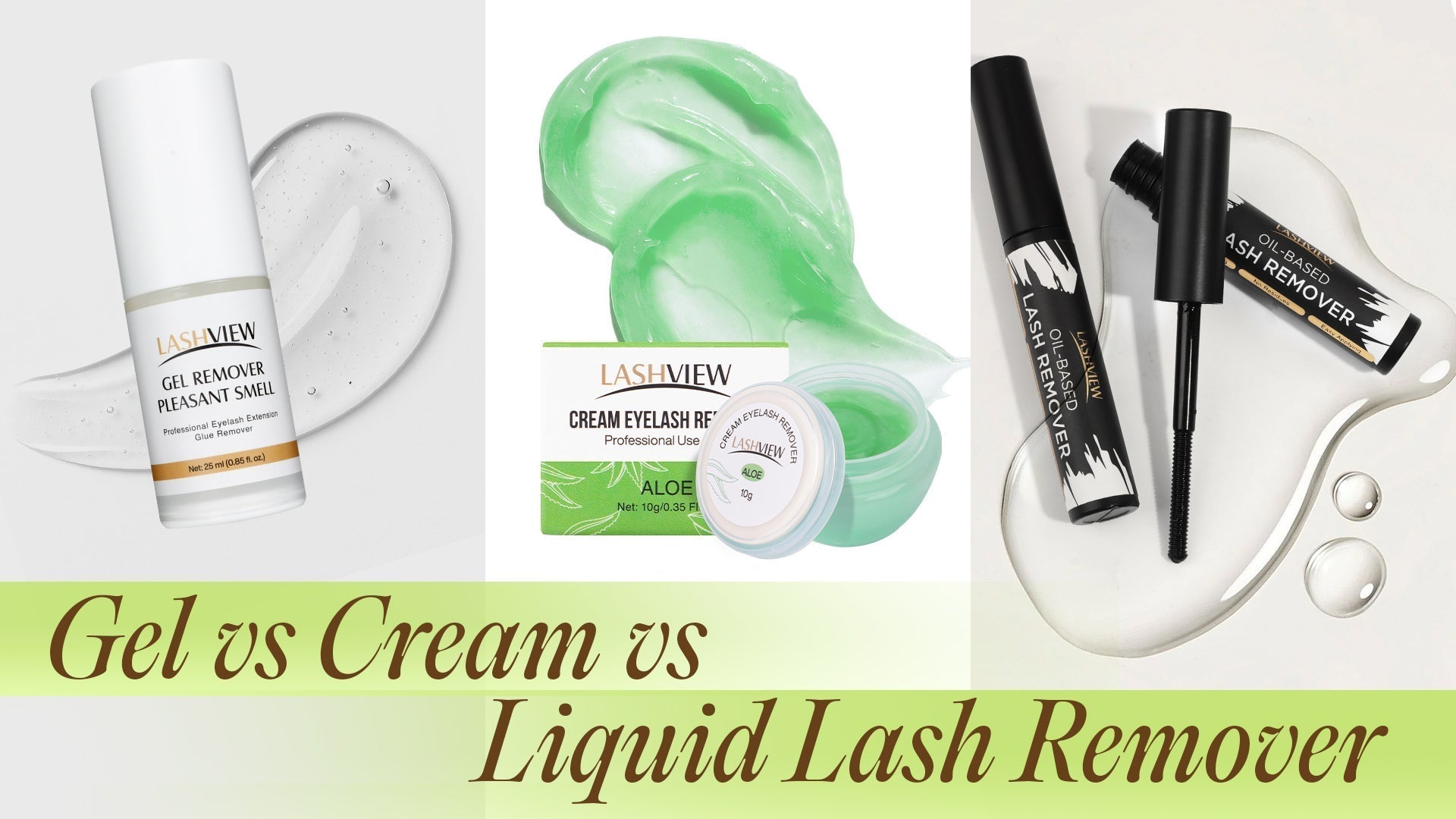
Cream remover tends to be the most controlled format in professional removal. It sits where the artist places it, which can make it useful for full removals or sensitive clients. Gel remover spreads more easily than cream and can be helpful for targeted work, but it still needs a steady hand. Liquid remover is the least forgiving because thin formulas can move quickly toward the eye.
|
Remover Format |
Sensitive-Eye Fit |
Best Use Case |
|
Cream remover |
Often preferred for control |
Professional full removal, sensitive clients |
|
Gel remover |
Useful with careful placement |
Spot removal, small correction areas |
|
Liquid remover |
Less forgiving |
Light residue cleanup, limited controlled use |
|
Oil-based remover |
Depends on adhesive type |
Some strip glue or cluster bond residue |
This is why many professional lash artists prefer cream or gel formats for controlled work. The texture gives them more time and more placement control.
For a fuller texture comparison, link readers to gel vs cream vs liquid lash remover.
Cream Lash Remover: The Calmer Choice for Many Sensitive Clients
Cream remover is often the format that makes the most sense for sensitive-eye clients in a salon setting. Its thicker texture helps keep the product localized around the adhesive instead of letting it run.
That does not make cream remover risk-free. A cream product can still irritate when too much is applied, when cleanup is rushed, or when the client opens the eyes before the product is fully removed. The advantage is control, not magic.
For a lash artist, cream remover feels especially useful when the goal is a quiet, complete removal. The artist can work in sections, allow the adhesive to soften, slide extensions away, and clean residue thoroughly before the client opens her eyes.
For a consumer reading this at home, the key message is different: cream remover may be a professional choice, but professional extension adhesive still deserves professional removal.
Gel Lash Remover: Helpful, but Not Casual
Gel remover can be a good option for lash artists who need precision without the heaviness of cream. It spreads more easily, which can make it useful for small correction areas or partial removal.
Sensitive-eye clients can still react if the gel moves too close to the waterline or if too much product is used. This is where training matters. A gel remover in a professional hand is not the same as a beginner applying remover in a bathroom mirror while one eye is half open.
The best way to describe gel remover is controlled but less stationary than cream. It can be excellent for the right task, but it rewards restraint.
Liquid Remover: Fast, but More Likely to Travel
Liquid remover can feel appealing because it sounds quick. For sensitive eyes, that speed can become a problem.
Thin products are harder to keep exactly where they belong. Around the eye, that lack of control matters. A watery remover can move into the eye area more easily than a cream, especially when the client blinks, wets, or moves.
Liquid formats may still have a place for light residue or certain professional tasks, but they are usually not the most forgiving choice for a sensitive client or a nervous beginner.
The American Academy of Ophthalmology notes that both glued and magnetic lashes can irritate sensitive skin around the eyes or scratch the cornea when not applied well; the same eye-area caution applies during removal because product movement and friction can also create discomfort.
Ingredient Red Flags to Watch Around the Eye Area
Sensitive-eye readers often want a simple “avoid this ingredient” list. The reality is more nuanced because reactions depend on the person, the formula, the concentration, and the way the product is used.
Still, ingredient awareness matters. The FDA recommends checking ingredient labels on eye cosmetics, especially when trying to avoid specific ingredients or compare brands.
A few categories deserve extra attention in lash content:
Fragrance can be irritating for some users, especially near the eyes. Latex can be a concern for people with latex sensitivity. Strong solvent-style formulas can create stinging when they migrate or are overused. Adhesive ingredients are also worth understanding, because removal irritation is sometimes tied to the glue or bond being removed rather than the remover alone.
A 2022 study in Dermatitis evaluated professional and consumer eyelash glues for formaldehyde release, noting that eyelash glues may release formaldehyde even when it is not declared as an ingredient. That does not mean every lash glue or remover will cause a reaction, but it supports a more careful editorial stance: eye-area adhesive products should not be treated as risk-free.
Sensitive Eyes May Be Reacting to the Adhesive, Not the Remover
A client may say, “The remover burns my eyes,” when the full story is more complicated. The adhesive may have already irritated the eyelid. The lash line may be inflamed from picking or rubbing. Old glue may have clumped around the base of the lashes, making removal harder. The remover may simply be the moment when the discomfort becomes obvious.
The American Academy of Ophthalmology states that allergic reactions to eyelash extension glue can trigger pain, itching, redness, and swelling, and may temporarily interfere with vision.
That is why sensitive-eye removal should begin with a comfort check. Red, swollen, itchy, or painful eyelids are not the right canvas for an aggressive removal. A professional may still need to remove the lashes, but the service should be handled cautiously, and persistent symptoms may require medical guidance.
Technique Red Flags That Make Sensitivity Worse
Even a well-chosen remover can feel terrible when the technique is wrong.
The most common issue is using too much product. More remover does not necessarily soften adhesive better; it simply increases the chance of product migration. Another issue is working too close to the waterline. Remover belongs where the adhesive needs softening, not inside the eye area.
Rubbing is another problem. Sensitive eyes often water, and watery eyes make people rub them. Rubbing moves the product around, stresses the skin, and can pull on natural lashes. The removal should slow down at that point, not become more aggressive.
A lash artist should also be cautious with clients who squeeze their eyes shut. Tension can shift the eye pads and change product placement. A calm client with fully closed eyes is much easier to work on safely.
For the more complete salon workflow, link this section to the professional lash remover SOP.
What a Sensitive-Eye Removal Should Feel Like
A good removal should feel uneventful. There may be light awareness, but not burning, sharp pain, or panic.
The client should feel that the artist is working slowly and cleanly. The remover should stay controlled. The lashes should slide away after the adhesive softens. Cleanup should be thorough enough that the client does not open her eyes to leftover residue.
For at-home strip lash or cluster removal, the same mood applies. Soften the bond, wait, slide, and clean gently. The moment the process turns into tugging, the routine has gone off track.
This is especially important for cluster users. A cluster that does not slide off is not ready. Pulling can turn a simple removal into natural lash stress.
When to Stop Using Lash Remover Immediately
A mild beauty-service sensation is not the same as a warning sign. Burning, swelling, sharp pain, blurred vision, worsening redness, strong watering, or rash should be treated seriously.
The FDA advises stopping any eye cosmetic that causes irritation and seeing a doctor if irritation persists. Clinical literature on eyelid cosmetic enhancements also describes ocular complications associated with lash enhancements, including allergic blepharitis, keratoconjunctivitis, conjunctival erosion, and subconjunctival hemorrhage.
A beauty article should not try to diagnose symptoms. The responsible guidance is simple: stop the product, avoid adding more cosmetics to calm it down, and seek medical help when pain, vision changes, swelling, or persistent irritation are involved.
Sensitive-Eye Buying and Use Guide
A sensitive-eye remover routine should prioritize control over speed.
|
What to Prioritize |
Why It Matters |
|
Controlled texture |
Helps reduce product migration |
|
Clear product instructions |
Reduces guessing near the eyes |
|
Appropriate adhesive match |
Prevents forcing the wrong remover |
|
Minimal rubbing |
Protects natural lashes and eyelid skin |
|
Thorough cleanup |
Reduces residue-related irritation |
|
Professional removal for extensions |
Safer for stronger salon adhesive |
This is one of the few places where a table is useful because the reader is making a practical decision. But the bigger rule is still editorial: the gentlest remover is not gentle when used for the wrong lash type.
At-Home Cluster Removal vs Professional Extension Removal
At-home cluster removal and professional extension removal should not be collapsed into one tutorial.
Clusters are usually temporary or semi-temporary DIY lash pieces, depending on the system. Their bond may be softened with the correct remover and careful technique. The process still requires patience, but it is closer to a consumer beauty routine.
Professional extensions are different. They are attached to natural lashes using professional adhesive, and the removal is best handled by a trained lash artist. A sensitive-eye client trying to remove extensions at home may end up with more rubbing, more product exposure, and more lash loss.
For cluster users, the next article is how to remove lash clusters without damaging natural lashes. For extension users, the better safety article is can you remove eyelash extensions at home.
FAQ: Lash Remover for Sensitive Eyes
What type of lash remover is best for sensitive eyes?
Cream remover is often preferred in professional settings because it gives more control and is less runny than liquid remover. Gel remover can also work well for targeted removal when applied carefully. The best choice depends on the adhesive type and whether the removal is at home or in a salon.
Why does lash remover burn my eyes?
Burning can come from product migration, using too much remover, applying product too close to the eye, adhesive sensitivity, existing irritation, or rubbing during removal. Persistent burning is not something to ignore.
Is cream lash remover better than gel for sensitive eyes?
Cream remover usually gives more placement control, which can help sensitive clients. Gel remover spreads more easily and may be useful for spot work. Neither format is automatically safe without correct technique.
Can oil remove lash glue for sensitive eyes?
Oil may help soften some strip lash glue or cluster bond residue, but it is not a universal remover. It should not be treated as a reliable way to remove professional lash extensions.
What ingredients should sensitive-eye users avoid?
There is no universal avoid list for every person, but sensitive users should be cautious with fragrance, latex sensitivity, strong solvent-style formulas, and products without clear eye-area instructions. Ingredient labels and intended use matter.
Should sensitive-eye clients remove extensions at home?
Salon extensions are best removed professionally, especially for sensitive-eye clients. Stronger adhesive, poor visibility, and product migration make at-home extension removal riskier than removing temporary strip lashes or some clusters.
What should I do when lash remover gets in my eye?
Stop the removal process and follow the product’s safety instructions. Seek medical advice when pain, redness, blurred vision, swelling, or irritation persists.
Can I reapply lashes right after irritation?
Irritated eyes need a break. Reapplying lashes over redness, swelling, burning, or tenderness can make the situation worse.
Final Takeaway
Sensitive-eye lash removal is not just about finding a product labeled “gentle.” It is about matching the remover to the adhesive, choosing a texture that gives control, using less product rather than more, and stopping when the eye area shows signs of irritation.
Cream remover often makes sense for controlled professional removal. Gel can be useful for targeted work. Liquid formats require more caution because they travel more easily. Oil-based removers may help with some daily lash glue or cluster bond residue, but they are not a reliable answer for salon extension adhesive.
The safest removal is calm, slow, and clean. Soften the bond, wait, slide, and clean residue carefully. Sensitive eyes do not need faster removal. They need better control.
Ready to support a gentler lash routine?
Shop Lashview on Amazon